
Share the property details
Send the location, equipment, symptoms or planned changes, and who can approve the work. Existing labels and service records help define the request.
Request heating, cooling or maintenance for your Keswick property. Choose the work and describe the equipment or symptoms. Coverage, pricing and appointments require confirmation.
Is something not working, or are you planning an installation or maintenance?
Choose the work you need and describe what changed, when it began, and which equipment is involved. For a planned project, include the outcome you want and any access or scheduling constraints.
View heat pump repair & installation services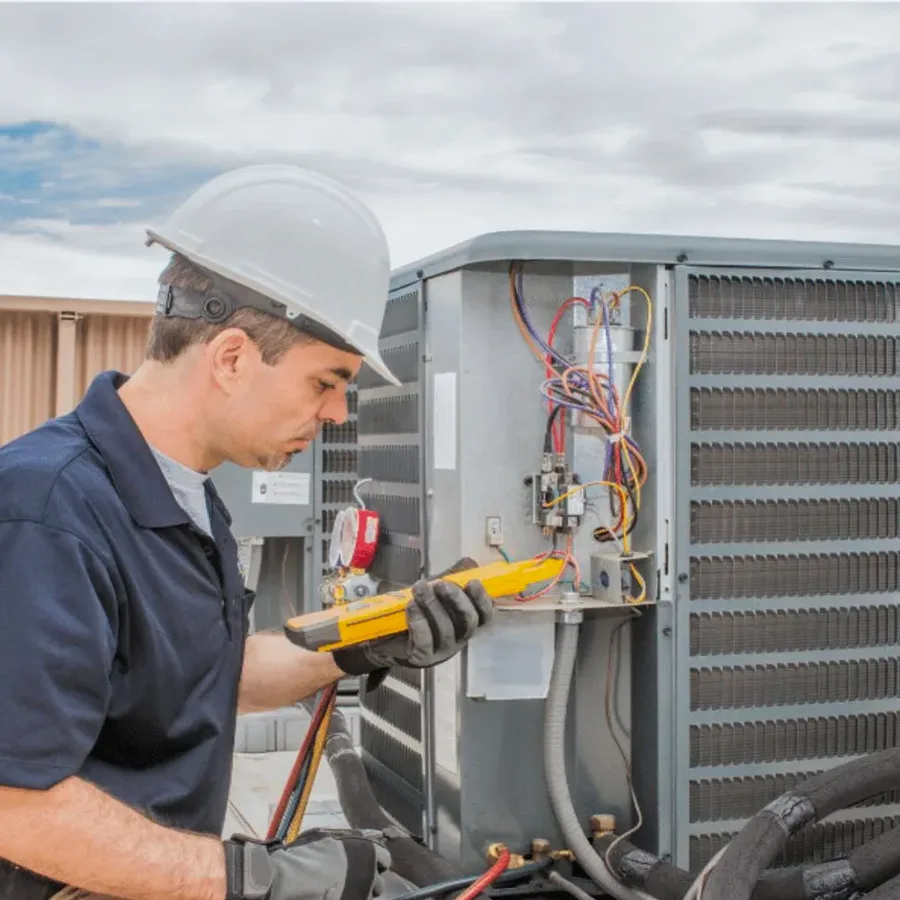
Describe the work first, then confirm the people, timing, and terms before making a commitment.
Send the location, equipment, symptoms or planned changes, and who can approve the work. Existing labels and service records help define the request.
The enquiry team reviews the request and shares it with a relevant service provider for follow-up using your contact details. Confirm contractor coverage, qualifications and how the property will be assessed before agreeing to an appointment.
Ask which findings support the work, what is included or excluded, and how completion will be checked. Agree on pricing and terms with the contractor.
Start with the installed equipment and its manufacturer instructions. Maintenance needs depend on the appliance and its use. Keep service records and ask a qualified contractor which seasonal inspections apply.
When requesting work for a property in Keswick or nearby Markham, Richmond Hill and Newmarket, require each proposal to state the building loads and the heating-duty strategy it assumes. Ask how the selected equipment output compares with those loads and what backup operation is expected. Compare electrical, duct, control, commissioning, and maintenance requirements as part of the system rather than separate headline specifications.
Diagnosis should establish which mode is affected and distinguish airflow or control faults from a compressor or refrigerant-circuit problem. That distinction determines whether repair is focused on a component or whether system condition merits a replacement comparison. For installation, heat-load calculations, duct condition, cold-climate rating, and existing electrical and control arrangements help define appropriate equipment and scope.
A heat pump that cools but does not heat may have a different control or operating fault from one that performs poorly in both modes. Ducted systems require attention to airflow through the existing distribution, while ductless systems require diagnosis by indoor zone as well as outdoor equipment. Record the mode, affected rooms, unusual sounds, and displayed codes because they help focus testing on the relevant components.
A refrigerant-circuit fault requires diagnosis of the cause rather than treating a recharge as a complete repair. If an older unit uses a refrigerant with limited availability, ask how that affects parts and future service when comparing repair with replacement. The equipment model, confirmed leak or component fault, and repair history matter more than a general age cutoff when evaluating whether continued repair is appropriate.
Replacement or new installation should account for the property's heating and cooling loads, duct condition where present, and the selected heat pump's operating range. A ductless mini-split may suit a space that is not served well by existing ducts, but its head locations and line routes need a separate layout. Control compatibility and electrical requirements should also be checked before equipment is selected.
Share the property location and the work you need so the request can be reviewed.
The configured service area includes these communities. Include your property location so coverage and appointment availability can be confirmed.