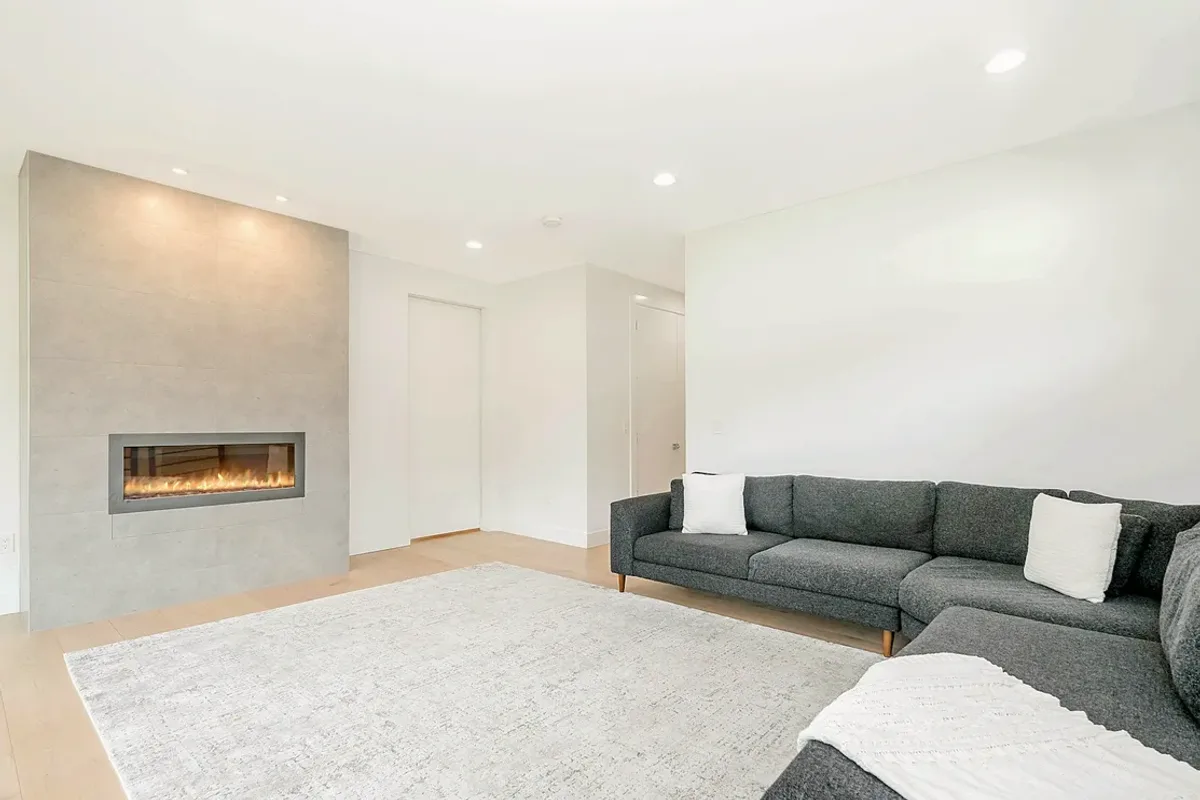
Request fireplace installation for a property in Keswick. Include the equipment, the problem or planned work, and your location so the request can be reviewed.
Which fireplace type are you considering, and is there an existing opening or vent?
Installing a fireplace starts with choosing an appliance that fits the intended location and the property's construction. Gas, electric, and wood-burning models have different connection, clearance, hearth, and venting requirements, so they are not interchangeable installation options. Existing openings may also need assessment before reuse. Provide the preferred appliance type, room location, and available product information with the service request so the installation scope can reflect the actual model and site.
The assessment should match the appliance instructions to the wall or hearth construction, required clearances, and route for venting or connections. A gas unit raises different connection and venting questions than an electric or wood-burning model. Where an existing opening is proposed for reuse, its dimensions and condition matter because an opening suited to one appliance may not meet another model's requirements.
Gas, electric, and wood-burning appliance distinctions
Fireplace placement, hearth, and clearance requirements
Venting, existing-opening assessment, and replacement fit
Assessment and Scope
Questions for the Proposed Work
01
Distinguish the installation needs by appliance type
A gas fireplace requires a suitable fuel connection and a venting arrangement specified for that appliance. An electric model has different electrical and clearance requirements, while a wood-burning fireplace needs a compatible firebox, hearth, and chimney or vent system. Confirming the exact model and installation instructions matters because a general description such as gas or wood does not establish the required materials or configuration.
02
Verify clearances, hearth, and vent route
The planned location should be checked against the appliance's clearances to nearby construction and furnishings, as well as any required hearth dimensions. Vent routing must suit the selected fireplace and the building layout. If an existing chimney, opening, or vent is being considered, its condition, dimensions, and compatibility need inspection before it is treated as usable for a new installation.
03
Assess the space before selecting a replacement unit
Replacing an existing fireplace is not always a direct swap. Differences in appliance dimensions, vent connections, fuel type, and required clearances can alter the work and may affect whether the current opening can remain. For an existing unit with visible firebox, appliance, or vent damage, record the model and observed condition for assessment. A repair or replacement decision should follow inspection rather than appearance alone.
Compare the next step
Ask bidders to price the same appliance location and finished outcome. Itemize venting, fuel connection, framing, permitted surrounds, controls, and any electrical work. If models differ, compare intended heating use and installation requirements before interpreting the difference as a saving for otherwise equivalent work.
Use a qualified contractor for the chosen appliance and any fuel, venting, or electrical work. Do not alter the appliance or defeat its controls. Confirm its manufacturer operating requirements before relying on it for whole-home or outage heating.